Those who follow me on Facebook will know that two years ago I began teaching Philosophy and Theology full time at St Peters College one of New Zealand’s largest Catholic high schools.
Only a handful of schools teach Philosophy in New Zealand and while it has official subject recognition one cannot gain any credits for Philosophy under the National Certificate of Educational Achievement (NCEA). NCEA does allow credits for Religious Studies which in the secondary sector involves a mix of religious history, ethics, theology/philosophy of religion, and hermeneutics. However, Religious studies have not been treated as a very rigorous subject in the secondary sector, and so far it is mostly Catholic schools which have taken it up as a subject.
It has been a very challenging couple of years as I have been getting my head around how Philosophy and Theology are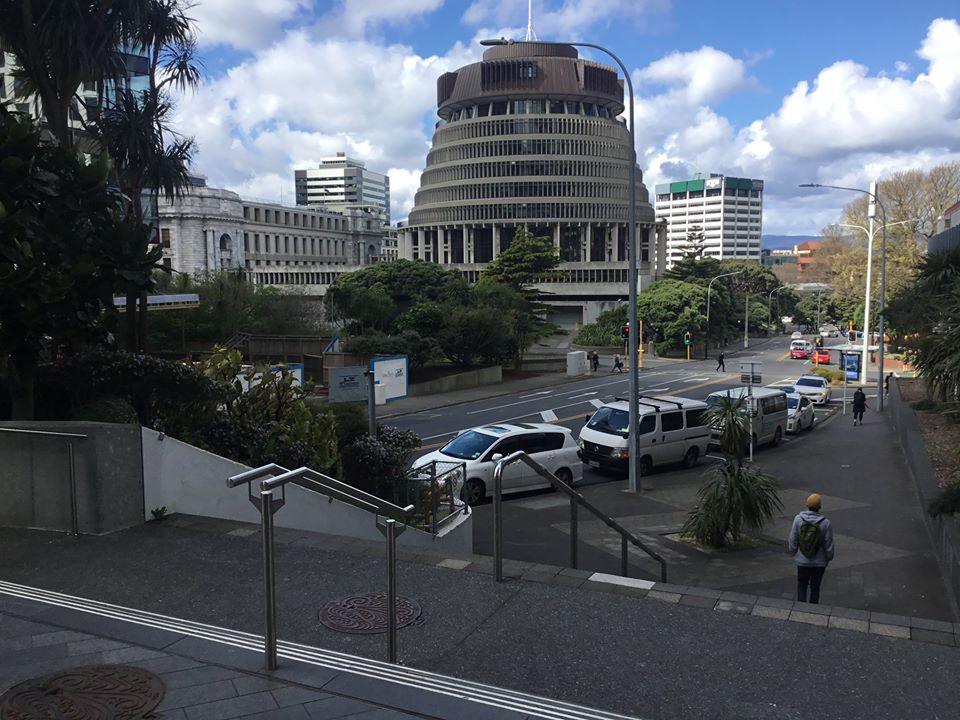 taught or can be taught, in the secondary sector. Trying to balance my own very high standards for Theological and Philosophical scholarship with the practicalities on the ground in the education sector. The challenges in doing this are unique and require quite a bit of wisdom and creativity to pull off well. I can’t say I have always been successful in doing so.
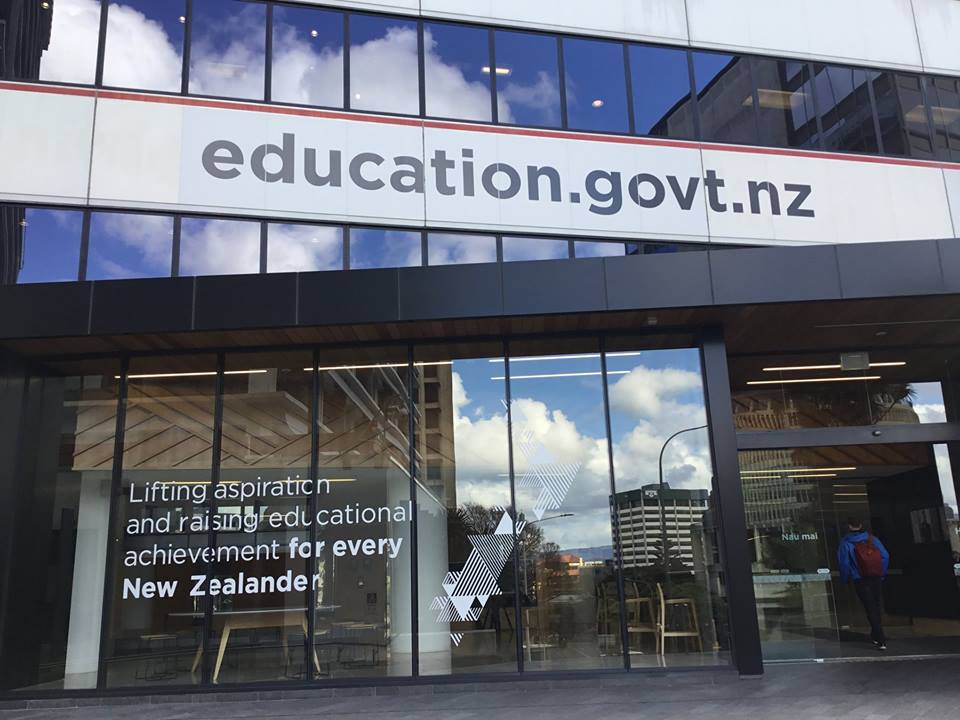
It’s been an encouraging week for me in this regard. I spent two days in Wellington this week. I was holed up in the Ministry of Education buildings a stone throw away from the beehive and parliament attending the New Zealand Association of Philosophy Teachers. (NZAPT) annual conference. At the NZAPT several other philosophy teachers and I spent several hours dialoguing with policymakers in Wellington about the importance of teaching philosophy in the secondary sector. We had presentations from people in the ministry and even some Members of parliament come and discuss the subject with us. Whether anything will come of this remains unclear, but with the new Government initiating a review into NCEA and the assessment system being up in the air at the moment it certainly is starting to get on the radar.
 Of course, there are still lots of questions; it was unclear from the meeting over precisely what teaching philosophy involved. Is it just a pedagogy involving Socratic questioning and inquiry learning or should the subject be taught more formally, do you introduce it as a kind of foundational sub-discipline for other subjects, i.e. philosophy of science for science? Philosophy of law for legal studies, classical philosophy in classics. Alternatively, introduce a new subject on the already proliferating curriculum, and some real questions came out of the conference around the teaching of political philosophy and the danger of it becoming activism. These were all things we discussed and debated amongst ourselves at the conference
To cap this all off on Thursday the New Zealand Qualifications Authority (NZQA) announced that Religious Studies would be included as a scholarship subject in 2020. Scholarship exams are the highest level of academic assessment in New Zealand secondary schools. Only 3% of all students gain a scholarship and its only available in subjects which are considered to meet a high level of rigour specifically the criteria is:
- significant numbers of candidates have shown the ability to perform with excellence at level 3
- there are writers and markers available of sufficient calibre and experience in this subject to produce a quality assessment for students at the appropriate level
- there is an appropriate tertiary path for Scholarship students in this subject
- the subject has the capacity to permit students to exhibit the high-level cognitive abilities for the credibility of the Scholarship examination
The New Zealand Association of Religious Studies Teachers, an association of which I am a member has been pressing for the Ministry of education to consider allowing Religious Studies to be made a Scholarship subject, a move that will require increasing the rigour of teaching and assessment in this subject substantially. My name was one of several put forward as evidence that there is now in the secondary sector “writers and markers available of sufficient calibre and experience in this subject to produce a quality assessment for students at the appropriate level”. On Thursday NZQA announced on Thursday they now consider Religious Studies to have matured enough at the high school level to meet this criterion. Religious Studies is now on the radar and a serious academic subject available in New Zealand schools, hopefully, Philosophy is not too far around the corner.
