Richard Dawkins, Matt Ridley, Michael Shermer debated William Lane Craig, Douglas Geivett, David Wolpe on the topic “Does the Universe Have a Purpose?” on Mexican television on 13 November 2010. This is the english version:
Entries Tagged as 'Debates'
“Does the Universe Have a Purpose?” Dawkins, Ridley, Shermer v Craig, Geivett, Wolpe (in English)
November 22nd, 2010 30 Comments
Tags: David Wolpe · Debates · Douglas Geivett · Matt Ridley · Michael Shermer · Richard Dawkins · William Lane Craig
Video: Bradley v Flannagan “Is God the Source of Morality?
September 20th, 2010 19 Comments
On Monday 2 August at the University of Auckland Emeritus Professor of Philosophy Dr Raymond Bradley and Dr Matthew Flannagan (of this blog) debated the topic “Is God the Source of Morality? Is it rational to ground right and wrong in commands issued by God?” Here is the video of that debate. Hat Tip: Thinking Matters […]
Tags: Debates · Divine Command Theory · God and Morality · MandM on Video · Matthew Flannagan · Raymond Bradley
Glenn Peoples’ Review: Bradley v Flannagan Debate
August 11th, 2010 44 Comments
On Monday 2 August at the University of Auckland Emeritus Professor of Philosophy Dr Raymond Bradley and Dr Matthew Flannagan (of this blog) debated the topic “Is God the Source of Morality? Is it rational to ground right and wrong in commands issued by God?” Philosopher Dr Glenn Peoples watched the debate via live Skype feed […]
Tags: Debates · Glenn Peoples · Matthew Flannagan · Raymond Bradley
Flannagan’s Reply to Ray: Bradley v Flannagan Debate
August 10th, 2010 4 Comments
On Monday 2 August at the University of Auckland Emeritus Professor of Philosophy Dr Raymond Bradley and Dr Matthew Flannagan (of this blog) debated the topic “Is God the Source of Morality? Is it rational to ground right and wrong in commands issued by God?” For the benefit of those who could not be there, […]
Tags: Debates · Matthew Flannagan · Raymond Bradley
Bradley’s Reply to Matt: Bradley v Flannagan Debate
August 8th, 2010 57 Comments
On Monday 2 August at the University of Auckland Emeritus Professor of Philosophy Dr Raymond Bradley and Dr Matthew Flannagan (of this blog) debated the topic “Is God the Source of Morality? Is it rational to ground right and wrong in commands issued by God?” For the benefit of those who could not be there, who […]
Tags: Debates · Matthew Flannagan · Raymond Bradley
Bradley v Flannagan “Is God the Source of Morality? Is it Rational to Ground Right and Wrong in Commands Issued by God?” The Podcast
August 7th, 2010 5 Comments
On Monday 2 August at the University of Auckland Emeritus Professor of Philosophy Dr Raymond Bradley and Dr Matthew Flannagan (of this blog) debated the topic “Is God the Source of Morality? Is it rational to ground right and wrong in commands issued by God?” While the video is still being edited and formatted, Thinking Matters […]
Tags: Debates · God and Morality · Matthew Flannagan · Podcast · Raymond Bradley · Thinking Matters
Matthew Flannagan’s Opening Statement: Bradley v Flannagan Debate
August 7th, 2010 11 Comments
On Monday 2 August at the University of Auckland Emeritus Professor of Philosophy Dr Raymond Bradley and Dr Matthew Flannagan (of this blog) debated the topic “Is God the Source of Morality? Is it rational to ground right and wrong in commands issued by God?” For the benefit of those who could not be there, who […]
Tags: Alvin Plantinga · Canaanites · Capital Punishment · Chris Tucker · Debates · Divine Command Theory · God and Morality · J J Finkelstein · Joe M Sprinkle · K Lawson Younger · Nicholas Wolterstorff · Philip Quinn · Raymond Bradley · Raymond Westbrook · Robert Adams · Walter Kaiser

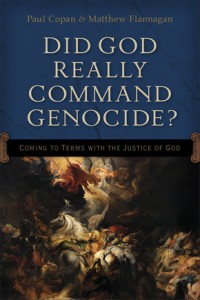 A common objection to belief in the God of the Bible is that a good, kind, and loving deity would never command the wholesale slaughter of nations. In the tradition of his popular Is God a Moral Monster?, Paul Copan teams up with Matthew Flannagan to tackle some of the most confusing and uncomfortable passages of Scripture. Together they help the Christian and nonbeliever alike understand the biblical, theological, philosophical, and ethical implications of Old Testament warfare passages.