In my previous post, Does Abortion Benefit the Fetus? A Critique of Himma Part 1, I discussed Kenneth Einar Himma’s argument that even if a fetus is a human being, laws permitting feticide are compatible with the harm principle.I elaborated an important objection to Himma’s argument, an objection articulated by Mark Murphy, which appeals to […]
Entries Tagged as 'Kenneth Einar Himma'
Does Abortion Benefit the Fetus? A Critique of Himma Part 2
December 24th, 2009 7 Comments
Tags: Abortion · Augustine · David Boonin · Eschatology · Feticide · Infanticide · Kenneth Einar Himma · Lalia Williamson · Mark Murphy
Does Abortion Benefit the Fetus? A Critique of Himma Part 1
December 18th, 2009 7 Comments
This series was developed from the paper I gave to the Auckland STAANZ Conference: Eschatology and Pneumatology. In Is Abortion Liberal? I suggested that one cannot simultaneously affirm the harm principle, accept that a fetus is a human being, and support permissive abortion laws. If abortion is homicide then it harms a human being, and […]
Tags: Abortion · Alan Donagan · Augustine · Eschatology · Feticide · Kenneth Einar Himma · Mark Murphy
Auckland STAANZ Conference: Eschatology and Pneumatology UPDATED
November 18th, 2009 10 Comments
The Systematic Theology Association in Aotearoa New Zealand (STAANZ ) are this week holding a conference in Auckland focusing on eschatology and pneumatology. What: STAANZ Conference on Eschatology and Pneumatology When: Thursday 19 November – Friday 20 November 9:00am-5:30 pm Where: Ponsonby Baptist Church, 43 Jervois Rd, Auckland Cost: $15 Pre-conference prayer will be held […]
Tags: Eschatology · Ethics · Feticide · Kenneth Einar Himma · Pneumatology · STAANZ · Theology

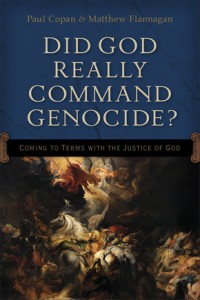 A common objection to belief in the God of the Bible is that a good, kind, and loving deity would never command the wholesale slaughter of nations. In the tradition of his popular Is God a Moral Monster?, Paul Copan teams up with Matthew Flannagan to tackle some of the most confusing and uncomfortable passages of Scripture. Together they help the Christian and nonbeliever alike understand the biblical, theological, philosophical, and ethical implications of Old Testament warfare passages.