Last week I was invited to be part of a discussion on divine command ethics in Google hangouts. The full discussion is now on-line as episode 22 of Ode to Dialogue: “Discussing Divine Command Theory.” Enjoy.
Entries Tagged as 'Philosophy of Religion'
Video: “Discussing Divine Command Theory” Special Guest: Matthew Flannagan
September 1st, 2014 7 Comments
Tags: Divine Command Theory · God and Morality · MandM on Video
Ethical Supernaturalism is still more Plausible than Naturalism: Carrier’s Preliminary Objections
August 20th, 2014 5 Comments
Last year I had an article Is Ethical Naturalism more plausible than Supernaturalism: A reply to Walter Sinnott Armstrong published in the journal Philo. In the comments section a reader asked me to comment on a response to that article published by classical historian Richard Carrier. This post will be the first of several where I do so. In, Is […]
Tags: Divine Command Theory · God and Morality · Publications · Richard Carrier
“Telling the Big Story” (or how not to engage culture with theology)
May 4th, 2014 7 Comments
One thing that tends to make my eyes glaze over is the mantra, expressed so frequently by some evangelicals in New Zealand, that we live in a post-modern society and so theology should, instead of involving the rational defense of truth, be focused on “telling the big story” or “sharing the narrative”, and we should […]
Tags: Post Modernism · William Lane Craig
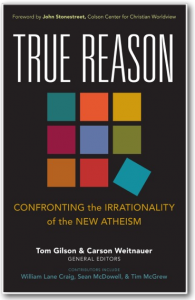
True Reason: Confronting the Irrationality of the New Atheism – in Paperback
March 31st, 2014 2 Comments
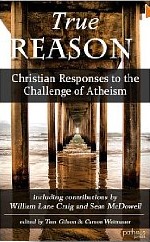
The paperback version of the Kindle book, True Reason: Christian Responses to the Challenges of Atheism, which Matt wrote a chapter for, recently arrived from the publishers. This release has been re-released as True Reason: Confronting the Irrationality of the New Atheism (the link takes you to the book’s official website). True Reason is still edited by Tom […]
Tags: Amazon · Carson Weitnauer · Chuck Edwards · David Marshall · David Wood · Glenn Sunshine · John DePoe · Matthew Flannagan · New Atheists · Peter Grice · Randy Hardman · Richard Dawkins · Sam Harris · Samuel Youngs · Tim McGrew · Tom Gilson · True Reason · William Lane Craig
Dialogue with Randal Rauser
March 13th, 2014 1 Comment
When I was in Baltimore last November I caught up with fellow theologian and blogger Randal Rauser. Randal is professor of Theology at Taylor Seminary in Edmonton Canada. Randal and I have had some spirited but cordial exchanges in the past, including a panel discussion at the Society of Biblical Literature in 2010.While we do not […]
Tags: Baltimore · Canaanites · Divine Command Theory · Old Testament Ethics · Randal Rauser
Back from Baltimore
February 9th, 2014 1 Comment
The following is a belated report of my recent trip to Baltimore. I began writing the post in December, but Christmas, New Year, the holidays, and various other things got in the way of me finally completing it. On Tuesday 26 November 2013 I flew back to New Zealand having attended the annual conference of the Evangelical […]
Tags: Baltimore · EPS Apologetics Conference · Evangelical Philosophical Society · Evangelical Theological Society
Matt to speak at the EPS Apologetics Conference in Baltimore on Morality and God’s Commands
November 12th, 2013 Comments Off on Matt to speak at the EPS Apologetics Conference in Baltimore on Morality and God’s Commands
This blog’s Matthew Flannagan has been invited to speak at the 12th Annual Apologetics Conference of the Evangelical Philosophical Society in Baltimore, USA. The theme of this year’s conference is Reasonable Faith in an Uncertain World. Matt’s talk is titled “Morality and God’s Commands: Answering Common Objections.” The blurb for Matt’s talk is as follows: “It is […]
Tags: Apologetics · Baltimore · Divine Command Theory · EPS Apologetics Conference · God and Morality

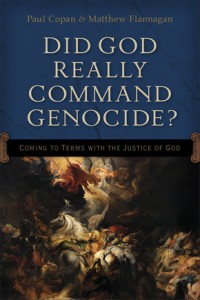 A common objection to belief in the God of the Bible is that a good, kind, and loving deity would never command the wholesale slaughter of nations. In the tradition of his popular Is God a Moral Monster?, Paul Copan teams up with Matthew Flannagan to tackle some of the most confusing and uncomfortable passages of Scripture. Together they help the Christian and nonbeliever alike understand the biblical, theological, philosophical, and ethical implications of Old Testament warfare passages.