The Systematic Theology Association in Aotearoa New Zealand (STAANZ ) are this week holding a conference in Auckland focusing on eschatology and pneumatology. What: STAANZ Conference on Eschatology and Pneumatology When: Thursday 19 November – Friday 20 November 9:00am-5:30 pm Where: Ponsonby Baptist Church, 43 Jervois Rd, Auckland Cost: $15 Pre-conference prayer will be held […]
Entries Tagged as 'Philosophers'
Auckland STAANZ Conference: Eschatology and Pneumatology UPDATED
November 18th, 2009 10 Comments
Tags: Eschatology · Ethics · Feticide · Kenneth Einar Himma · Pneumatology · STAANZ · Theology
“My Ways are Not Your Ways” Notre Dame Conference
November 10th, 2009 2 Comments
In September this year, the centre for Philosophy of Religion at the University of Notre Dame hosted a conference entitled “My Ways Are Not Your Ways”; the proceedings of the conference can be seen at the previous link and is a good resource. The theme of the conference, as outlined on Notre Dame’s webpage, is […]
Tags: Faith and Reason · God and Morality · Notre Dame · Philosophy of Religion · Theology
Audi and the Infallibility of Religious Reasons
November 7th, 2009 6 Comments
In “Liberal Democracy and the Place of Religion in Politics”,[1] Robert Audi defends the liberal thesis that religious reasons should not be utilised in debate on issues of public policy. Instead he contends that “one should not advocate or support any law or public policy that restricts human conduct unless one has, and is willing […]
Tags: Ethics · Philosophy of Religion · Religion in Public Life · Robert Audi
Guest Post: Dan Brown’s History of Science
October 23rd, 2009 135 Comments
This guest post was submitted by Dr James Hannam. Dr Hannam is a UK based historian with degrees in physics and history from the Universities of Oxford and London and a PhD in the history of science from the University of Cambridge. He blogs at Quodlibeta. The film adaptation of Dan Brown’s Angels and Demons […]
Tags: Christian History · Dan Brown · Faith and Reason · Guest Post · James Hannam · Religious History · Science and Religion
Sunday Study: Paul on Freedom of Conscience – Romans 14
October 5th, 2009 3 Comments
In the 14th chapter of Paul’s letter to the Romans there is an interesting discussion of strictures relating to the eating of meat. The discussion is interesting because it brings up issues which have application beyond the context Paul addressed. Specifically, Paul affirms in these passages the existence of a prima facie right to freedom […]
Tags: Alan Donagan · Aquinas · Augustine · Freedom of Conscience · Sunday Study
Contra Mundum: God, Proof and Faith
October 1st, 2009 11 Comments
Since the 17th century one of the most common sceptical objections to the Christian faith is the claim that belief in God is irrational because his existence has never been successfully proven. For centuries theologians and philosophers have proposed a range of arguments for the existence of God; sceptics not only contend every one of […]
Tags: Antony Flew · Contra Mundum · Faith and Reason · Investigate Magazine · John Mackie · Kai Neilsen · Roy Clouser
Sunday Study: The Bible and Rape – A Response to Michael Martin
September 27th, 2009 9 Comments
A little while ago I wrote a post criticising Michael Martin’s contention that the Bible commands a rape victim to marry her rapist, Does the Bible Teach that a Rape Victim has to Marry her Rapist? To summarise briefly, Martin cited Deuteronomy 22:28-29 and interpreted it as, Here the victim of rape is as treated […]
Tags: Bible · Ethics · Hermeneutics · Michael Martin · Old Testament Ethics · Rape · Sexual Morality · Sunday Stu · Sunday Study · Theology

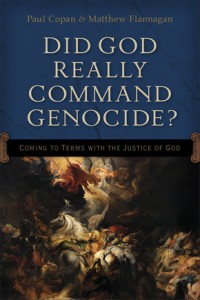 A common objection to belief in the God of the Bible is that a good, kind, and loving deity would never command the wholesale slaughter of nations. In the tradition of his popular Is God a Moral Monster?, Paul Copan teams up with Matthew Flannagan to tackle some of the most confusing and uncomfortable passages of Scripture. Together they help the Christian and nonbeliever alike understand the biblical, theological, philosophical, and ethical implications of Old Testament warfare passages.