Following on from my series on the illiberality of Abortion, discussion in the comments section turned to the issue of sentience. Commenters asked whether perhaps sentience is the property that a newborn possesses and a fetus does not that warrants such unequal application of the non-initiation of force principle by liberals. Is sentience the property […]
Entries Tagged as 'Philosophy of Religion'
Sentience Part 1
November 1st, 2008 Comments Off on Sentience Part 1
Tags: Abortion · Bonnie Steinbock · Feticide · Harry Gensler · Michael Tooley · Sentience
Some Autobiographical Remarks: How I Discovered Christian Philosophy
October 23rd, 2008 6 Comments
Increasingly so of late, I find myself in conversations, in the receipt of email requests or blog comments asking where to begin and how to expand one’s Christian philosophical understanding. I have been asked to recommend books and places to study and to share my own journey in this area. I started my studies at […]
Tags: Alvin Plantinga · Apologetics · Bruce Reichenbach · Faith and Reason · Paul Helm · Philosophy of Religion · Richard Swinburne · Steve Kumar · Thomas Morris · William Lane Craig
Does Pluralism Make Faith Arbitrary?
October 20th, 2008 2 Comments
Recently I have been reading Timothy Keller’s book The Reason for God: Belief in an Age of Skepticism. (This is not like me because I don’t typically read popular apologetics books, and it is even more rare that I would lead a blog entry with one.) One thing that interested me is that when Keller […]
Tags: Apologetics · Faith and Reason · Pluralism · Timothy Keller · William Alston
Faith and Logic
October 19th, 2008 3 Comments
Recently, Patrick left the following comment in response Madeleine’s post on the Role of the State. “[L]ogic and reason are secular, even humanistic processes. Faith is neither ofthose. Logic and faith can be in conflict, I think. From a humanist viewpointthere is nothing particularly logical about believing in an invisible God.” Apologies to Patrick for […]
Tags: Apologetics · Faith and Reason · Theology
On the Meta-Euthyphro Objection
October 18th, 2008 8 Comments
According to proponents of the Euthyphro Objection, defenders of a Divine Command Theory of Ethics face a dilemma, actions are morally-required either because: (i) God commands them; or, (ii) God commands them because they are morally-required. The latter (ii) entails that actions are right and wrong independently of God’s commands and as such, a Divine […]
Tags: Divine Command Theory · Ethics · Euthyphro Dilemma · God and Morality · Philosophy of Religion
Voting, the Role of the State and Similarities Between libertarianism and Christianity
October 10th, 2008 14 Comments
Someone emailed us a while ago asking what the difference was between Matt’s classical liberalism and my libertarianism, where did we part company and why did we define ourselves this way. We never answered because we have never really tried to pin it down before, we knew there we differed on some things and we […]
Tags: Classical Liberalism · Elections · Libertarianism · Role of the State · Voting
The Point of Intellectual Engagement: Why Thinking Matters
October 9th, 2008 1 Comment
For some faith and reason is an anathema; Christianity is the realm of feelings and is totally separate from academia, reason and logic. After the Craig v Cooke debate a Christian reporter asked me “aside from people being intellectually stimulated, what was the point of having a Christian Philosopher dialogue with an Atheist Historian at […]
Tags: Apologetics · Bnonn · Faith and Reason · Thinking Matters
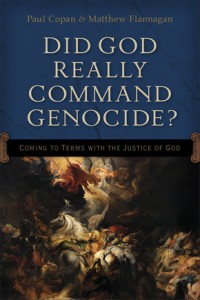 A common objection to belief in the God of the Bible is that a good, kind, and loving deity would never command the wholesale slaughter of nations. In the tradition of his popular Is God a Moral Monster?, Paul Copan teams up with Matthew Flannagan to tackle some of the most confusing and uncomfortable passages of Scripture. Together they help the Christian and nonbeliever alike understand the biblical, theological, philosophical, and ethical implications of Old Testament warfare passages.