Some people argue that moral obligations can be grounded in scientifically verifiable facts about human wellbeing and flourishing. This view is a form of ethical naturalism. For these people moral rightness is just the property of promoting or enhancing human flourishing. Plato refuted this argument over 2,000 years ago in his famous dialogue The Euthyphro. The […]
Entries Tagged as 'Divine Command Theory'
Ethical Naturalism and the Euthyphro Dilemma
April 12th, 2011 10 Comments
Tags: Divine Command Theory · Ethical Naturalism · Euthyphro Dilemma · God and Morality · Humour · Plato
Video: Sam Harris v William Lane Craig Debate “Is the Foundation of Morality Natural or Supernatural?”
April 9th, 2011 12 Comments
Sam Harris and William Lane Craig debated the moot “Is the Foundation of Morality Natural or Supernatural?” at the University of Notre Dame on 7 April 2011. We’ve already linked to the debate MP3 but here is the video of the whole debate. Hat tip: Pondering the Preponderance See Matthew Flannagan’s: Debate Review: Sam Harris and […]
Tags: Debates · Is the Foundation of Morality Natural or Supernatural? · Sam Harris · Videos · William Lane Craig
Video of Matthew Flannagan Speaking on Divine Command Theory
February 7th, 2011 10 Comments
On 4 February 2011 the Auckland Reason and Science Society (“RSS”) hosted an event they titled “Divine Command Theory with Dr. Matthew Flannagan” at the University of Auckland. For those of you who missed the event, here is the video. Note: This video only includes footage of the talk itself and not the Q&A that […]
Tags: Divine Command Theory · God and Morality · MandM on Video · Reason and Science Society
God and the Genocide of the Canaanites Part II: Ancient Near Eastern Conquest Accounts
January 10th, 2011 14 Comments
This three-part blog series is a modified version of what I presented to the Evangelical Philosophical Society meeting in November 2010. In my previous post, God and the Genocide of the Canaanites Part I: Wolterstorff’s Argument for the Hagiographic Hyperbolic Interpretation, I expounded and adapted Nicholas Wolterstorff’s argument for a hagiographic hyperbolic reading of the book […]
Tags: Alvin Plantinga · Canaanites · Genocide · Hagiography · Hermeneutics · Hyperbole · J Van Seters · James K. Hoffmeier · John Goldingay · Joshua · K Lawson Younger · Kenneth Kitchen · Nicholas Wolterstorff · Old Testament Ethics · Richard Hess · Thomas Thompson · Ziony Zevit
Download Matt’s EPS Talk “God and the Genocide of the Canaanites” (& other EPS talks)
December 16th, 2010 10 Comments
In November Matt flew to Marietta, Atlanta, Georgia and delivered a talk entitled “God and the Genocide of the Canaanites” for the Evangelical Philosophical Society’s (“EPS”) annual meeting. Matt’ talk is now available to download over here at the EPS website for the very low price of $1.99 USD. The EPS have made available for […]
Tags: Apologetics · Atlanta · Canaanites · Evangelical Philosophical Society · Genocide
God, Morality and Abhorrent Commands: Part III Philip Quinn
November 29th, 2010 5 Comments
In this three-part series I look at some different ways of adjudicating conflicts between apparent divine commands and moral beliefs. I started with Immanuel Kant, I then looked at Robert Adams’ defence of Kant’s position. Now I will complete the series by exploring Philip Quinn’s alternative view. In “God, Morality and Abhorrent Commands: Part II […]
Tags: Divine Command Theory · God and Morality · Kant · Philip Quinn · Robert Adams
God, Morality and Abhorrent Commands: Part II Robert Adams
October 19th, 2010 7 Comments
In this three-part series I will look at some different ways of adjudicating conflicts between apparent divine commands and moral beliefs. I started with Immanuel Kant, now I will look at Robert Adams’ position. In “God, Morality and Abhorrent Commands: Part I Kant” I mentioned Phillip Quinn’s observation that theists can face a particular dilemma, […]
Tags: Divine Command Theory · God and Morality · James Rissler · Kant · Philip Quinn · Raymond Bradley · Religious History · Robert Adams · Selection

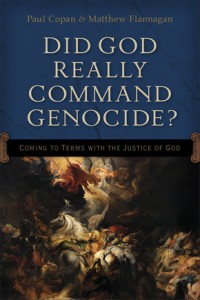 A common objection to belief in the God of the Bible is that a good, kind, and loving deity would never command the wholesale slaughter of nations. In the tradition of his popular Is God a Moral Monster?, Paul Copan teams up with Matthew Flannagan to tackle some of the most confusing and uncomfortable passages of Scripture. Together they help the Christian and nonbeliever alike understand the biblical, theological, philosophical, and ethical implications of Old Testament warfare passages.